
 Hello, my name is Tousif Ali Khan. I'm a 20 year old self-employed Pirate from the Caribbean.


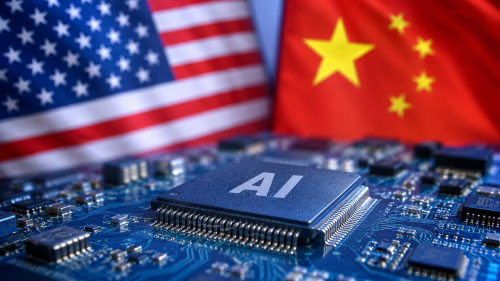
The United States government is tightening controls on remote access to AI technology. Officials took this step amid ongoing fallout around chip maker Nvidia. The goal is to make sure export rules also cover online access to advanced computers.
Why is the US tightening controls on remote access to AI technology?
Officials want to close a loophole that lets overseas users run jobs on fast computer chips over the internet. Even if a country cannot buy physical hardware, people there can still rent power through cloud servers located elsewhere. The new move targets this kind of remote connection so the original trade rules stay strong.
The decision connects directly to recent fallout around Nvidia hardware. Many developers rely on these chips to build advanced software, making the hardware very valuable. Lawmakers want tighter rules so companies cannot simply bypass trade limits by using off-site data centers.
What this means for everyday tech users and businesses
These new limits will shape how cloud platforms sell computing time to international clients. Companies that offer remote servers will need to check who is logging in from other countries. This extra checking could slow down sign-ups and raise costs for honest software builders.
For normal users, this change shows that software rules are becoming much stricter across the globe. You can read more about global efforts in the wider regulation of artificial intelligence. Regular people might see cloud services ask for more identity checks before granting access to heavy processing tools.
- Remote connections to high-end hardware will face tighter checks.
- Cloud service providers must track who rents their computing systems.
- The rules respond to recent trade fallout around Nvidia products.
How remote computing became the center of the dispute
In the past, governments focused mainly on stopping physical shipments of computer parts across borders. However, modern computing lets anyone send code to a computer across an ocean and get results back in seconds. Because of that, simply blocking box shipments was no longer enough to stop unauthorized use.
Hardware firms like Nvidia saw huge demand for their products as machine learning systems grew larger. When direct sales faced limits, remote rental setups quickly became the easiest way around the barrier. Now, officials are closing that gap to keep their original trade policies working as intended.
What will happen next with chip rules?
Government agencies will likely share clearer instructions for server farms in the coming months. Tech firms must adapt quickly or risk heavy penalties for letting restricted groups use their hardware. Other nations might also follow this example and set up similar border rules for data centers.
Cloud companies will have to invest in better security tools to verify their users. As rules grow tighter, the race to build independent computer chips in other parts of the world will only speed up. Observers will watch closely to see how Nvidia and cloud sellers handle these extra limits going forward.

No comments:
Post a Comment